Every business today needs a website that actually works — one that loads fast, looks good on a phone, and turns visitors into customers. That’s where web development services come in.
Whether you run a small shop in Pune or manage a growing SaaS company in Bangalore, your website is often the first impression customers get of your brand. A slow, outdated, or confusing site can cost you sales before a visitor even reads your homepage.
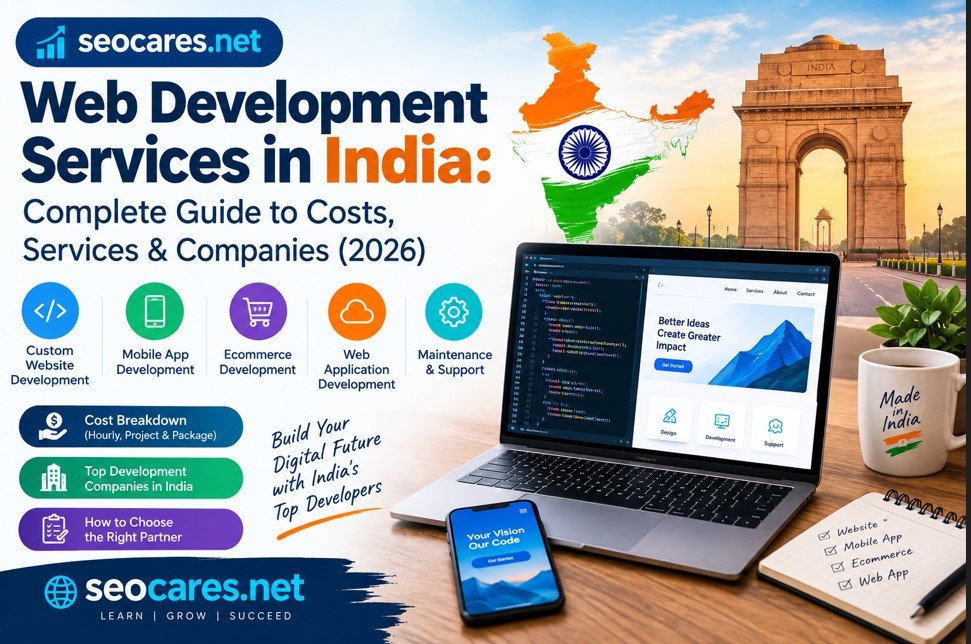
This guide breaks down everything you need to know about web development services in India — what they include, how much they cost, and how to pick the right team for your project.
What Are Web Development Services?

Web development services cover everything involved in building, maintaining, and improving a website. This includes writing code, designing layouts, connecting databases, and making sure the site runs smoothly across devices.
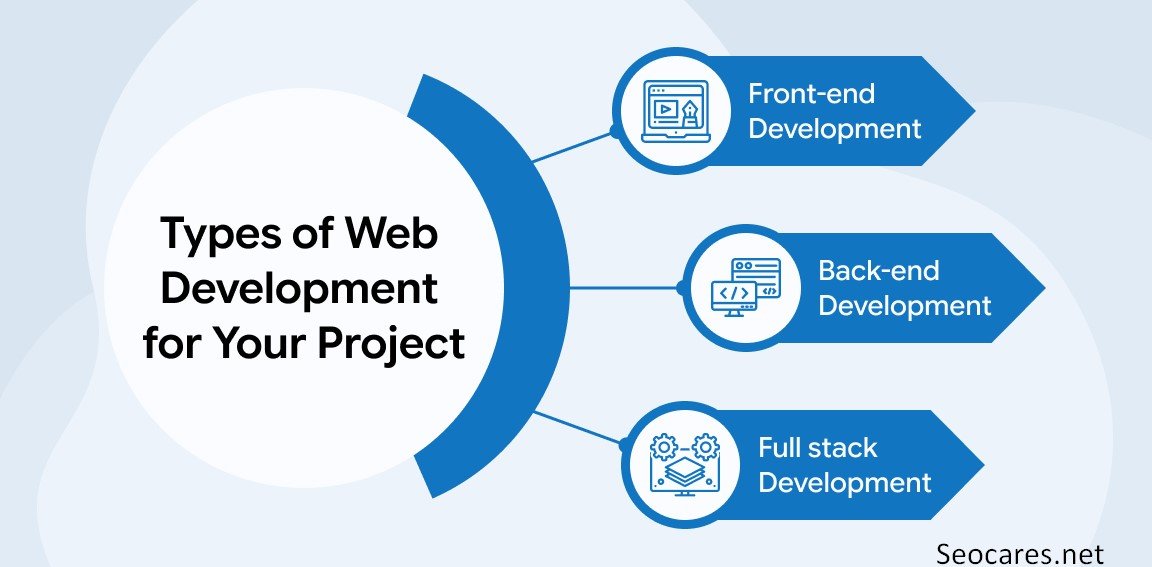
These services typically fall into three layers:
- Front-end development — what users see and interact with (buttons, menus, forms)
- Back-end development — the server, database, and application logic behind the scenes
- Full-stack development — a combination of both front-end and back-end work
A professional web development company handles all three layers, along with testing, security, and post-launch support.
Types of Web Development Services
Not every business needs the same kind of website. Here’s a breakdown of common service categories.
1. Static Website Development
Simple, informational websites with fixed content. Ideal for small businesses, portfolios, or landing pages that don’t need frequent updates.
2. Dynamic Website Development
Websites that pull content from a database and change based on user actions — think news portals, blogs, or membership sites.
3. E-commerce Website Development
Online stores built on platforms like Shopify, WooCommerce, or Magento. These need secure payment gateways, inventory management, and mobile-friendly checkout flows.
4. Custom Web Application Development
Tailor-made platforms built for specific business logic — booking systems, dashboards, or internal tools that off-the-shelf software can’t handle.
5. CMS-Based Development
Websites built on WordPress, Drupal, or Joomla, letting non-technical teams update content without touching code.
6. API Development and Integration
Connecting your website to third-party tools — payment gateways, CRMs, shipping providers, or marketing platforms — through APIs.
Why Indian Businesses Need Professional Web Development

India’s internet user base continues to grow rapidly, and most of that traffic comes from mobile devices. A website built without mobile optimization, fast loading speed, and clean navigation risks losing potential customers within seconds.
Here’s why professional web development matters for Indian businesses specifically:
- Mobile-first browsing habits — most Indian users browse on smartphones, often on slower networks, so speed optimization isn’t optional
- Regional diversity — many businesses need multilingual support to reach customers across different states
- Growing digital payments adoption — e-commerce and service websites need secure, UPI-friendly payment integrations
- Rising competition — nearly every industry now has an online presence, making a polished website a competitive necessity rather than a luxury
A well-built website isn’t just a digital brochure. It’s a sales tool, a support channel, and often the first point of trust between a business and its customer.
Key Features of a Good Web Development Company
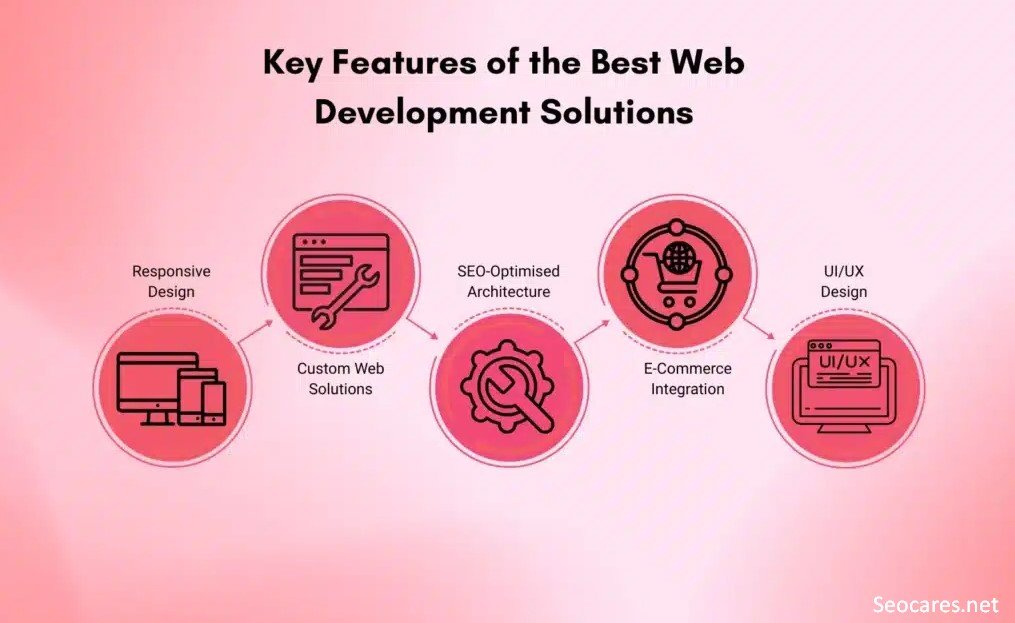
Before hiring anyone, check whether they offer these essentials:
- Responsive design that adapts to all screen sizes
- SEO-friendly code structure for better search visibility
- Fast loading speed, ideally under 3 seconds
- Secure architecture, including SSL certificates and regular security patches
- Scalability, so the site can grow with your business
- Post-launch support for bug fixes and updates
- Clear communication and realistic timelines
A company that ticks these boxes is far more likely to deliver a website that performs well long after launch.
Web Development Process: Step by Step
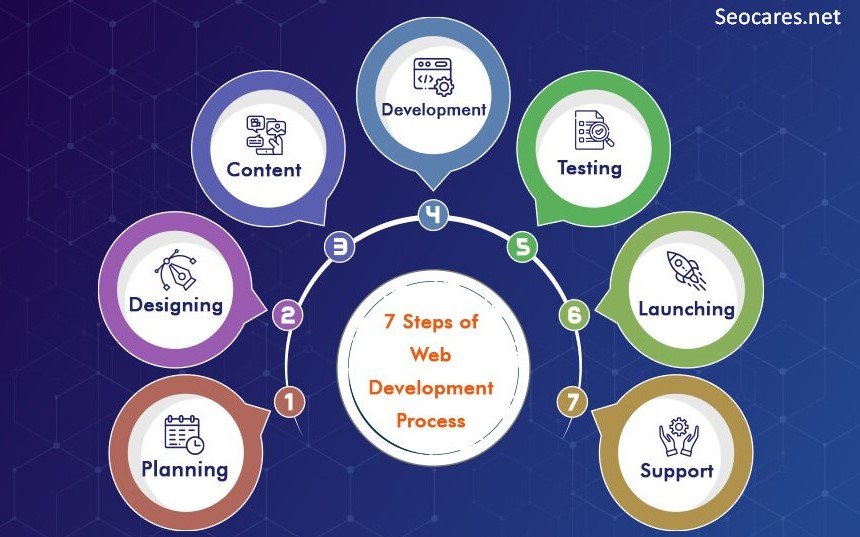
Understanding the typical workflow helps you set realistic expectations and spot red flags early.
Step 1: Discovery and Requirement Gathering
The development team studies your business goals, target audience, and competitors before writing a single line of code.
Step 2: Wireframing and Planning
A blueprint of the website’s layout and user flow is created, usually as a wireframe or mockup.
Step 3: UI/UX Design
Designers create the visual look — colors, typography, and imagery — aligned with your brand identity.
Step 4: Front-End and Back-End Development
Developers turn the design into a functioning website, coding both the visible interface and the underlying logic.
Step 5: Testing and Quality Assurance
The site is tested across browsers, devices, and network conditions to catch bugs before launch.
Step 6: Deployment
The finished website goes live on a hosting server, with domain and DNS settings configured properly.
Step 7: Maintenance and Support
Ongoing updates, security patches, and performance monitoring keep the site running smoothly after launch.
Cost of Web Development Services in India
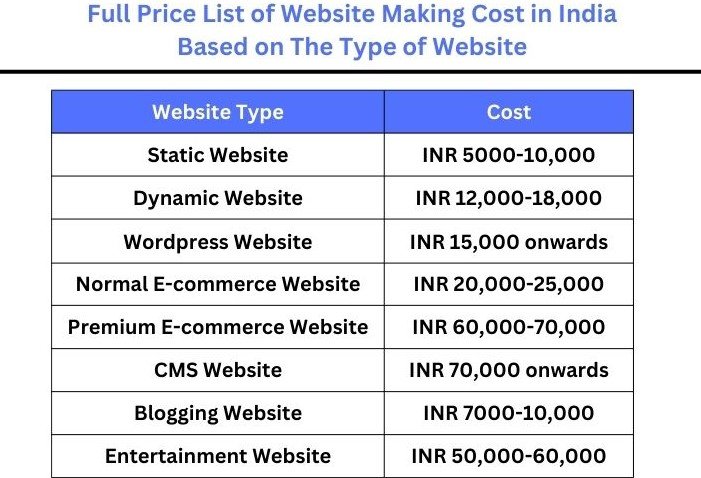
Pricing varies widely depending on complexity, technology stack, and the provider’s experience level.
| Website Type | Approximate Cost (INR) | Timeline |
| Basic static website (5–10 pages) | ₹15,000 – ₹50,000 | 1–2 weeks |
| CMS-based website (WordPress) | ₹30,000 – ₹1,50,000 | 2–4 weeks |
| E-commerce website | ₹50,000 – ₹3,00,000 | 4–8 weeks |
| Custom web application | ₹2,00,000 – ₹10,00,000+ | 2–6 months |
These figures are general estimates and can shift based on design complexity, number of integrations, and the specific agency or freelancer you choose. Always request a detailed quote before committing.
In-House vs Freelancer vs Agency: Comparison Table
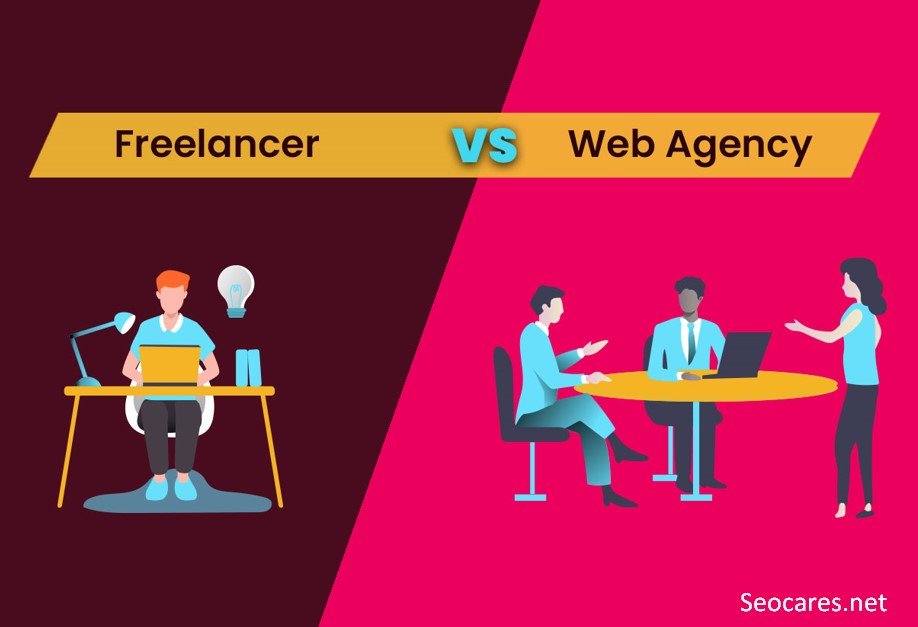
Choosing who builds your website matters as much as choosing what to build.
| Factor | In-House Team | Freelancer | Web Development Agency |
| Cost | High (salaries, benefits) | Low to moderate | Moderate to high |
| Speed of hiring | Slow | Fast | Moderate |
| Skill diversity | Limited to team | Depends on individual | Wide, multiple specialists |
| Reliability | High (dedicated staff) | Variable | Generally high |
| Best suited for | Large ongoing projects | Small, simple projects | Mid-to-large projects |
| Scalability | Requires more hiring | Limited | Easily scalable |
Pros and Cons of Outsourcing Web Development
Pros
- Access to specialized talent without long-term hiring costs
- Faster turnaround due to established workflows
- Exposure to modern tools and best practices
- Reduced burden on internal teams
- Often includes post-launch maintenance packages
Cons
- Less direct day-to-day control over the process
- Communication gaps possible with remote teams
- Quality varies significantly between providers
- Ongoing costs for updates and support after launch
Weighing these factors against your budget and timeline helps determine whether outsourcing makes sense for your specific project.
How to Choose the Right Web Development Partner
Picking the right partner can make or break your project. Keep these points in mind:
- Check their portfolio for projects similar to yours
- Read client reviews on platforms like Google, Clutch, or GoodFirms
- Ask about their tech stack and whether it fits your long-term needs
- Clarify ownership of source code and design files after project completion
- Discuss post-launch support terms before signing any contract
- Request a clear timeline with milestones, not just a final delivery date
A trustworthy provider will answer these questions transparently without hesitation.
Common Mistakes to Avoid
Many businesses run into avoidable problems during web development projects. Watch out for these:
- Choosing the cheapest option without checking quality or reliability
- Skipping mobile optimization, which alienates the majority of Indian users
- Ignoring SEO from the start, making it harder to rank later
- No clear content plan, leading to delays during development
- Overlooking security measures, leaving the site vulnerable to attacks
- Not testing before launch, resulting in broken links or layout issues
Avoiding these pitfalls early saves both time and money down the line.
Frequently Asked Questions
1. What is the average cost of web development services in India?
Costs range from ₹15,000 for a basic static site to over ₹10,00,000 for a complex custom application, depending on features and complexity.
2. How long does it take to build a website?
A simple website can take 1–2 weeks, while a custom web application may take 2–6 months depending on scope.
3. Which is better: WordPress or custom development?
WordPress works well for content-driven sites needing frequent updates. Custom development suits businesses with unique functionality needs that off-the-shelf platforms can’t handle.
4. Do I need a mobile-responsive website?
Yes. Since most Indian internet users browse on smartphones, a non-responsive website risks losing a large share of potential visitors.
5. What ongoing costs should I expect after launch?
Expect costs for hosting, domain renewal, security updates, and occasional feature additions or bug fixes.
6. How do I know if a web development company is reliable?
Check their portfolio, client testimonials, years of experience, and whether they offer clear contracts with defined deliverables.
7. Can I update the website content myself after it’s built?
Yes, if it’s built on a CMS like WordPress. Ask your developer to include a simple content management setup during planning.
8. Is it necessary to optimize a website for SEO during development?
Yes. Building SEO-friendly code structure from the start is far easier and more effective than retrofitting it later.
9. What’s the difference between a web developer and a web designer?
Designers focus on visual layout and user experience, while developers write the code that makes the design functional.
10. Should I choose a local Indian agency or a freelancer?
Agencies typically offer more reliability and diverse skill sets for larger projects, while freelancers can be cost-effective for simpler, smaller-scale websites.
Conclusion
Choosing the right web development services shapes how customers experience your business online. A well-built website isn’t just about aesthetics — it’s about speed, security, mobile usability, and long-term scalability.
Take time to evaluate your options, whether that’s an in-house team, a freelancer, or a full-service agency. Focus on providers who understand your industry, communicate clearly, and offer support beyond the launch date.
The right web development partner doesn’t just build a website — they build a foundation your business can grow on for years to come.