Your website might have great content. It might even have a solid backlink profile. But if search engines can’t crawl, index, or understand your pages properly, none of that matters. This is where a technical SEO agency steps in.
Technical SEO is the foundation that everything else sits on. Think of it like the plumbing in a house. Nobody notices it when it works. But when it breaks, everything else stops functioning too.
Many business owners spend months writing blog posts or building links, only to wonder why their rankings never move. Often, the real problem is buried in site speed issues, broken crawl paths, duplicate content, or a messy site structure that confuses search engine bots.
This guide breaks down what a technical SEO agency actually does, why it matters more than most people realize, and how to choose a partner that delivers real results instead of empty promises.
What Is a Technical SEO Agency?

A technical SEO agency is a specialized team that focuses on the backend health of your website. Instead of writing content or building links, these experts dig into your site’s code, server settings, structure, and performance.
Their goal is simple: make sure search engines like Google can crawl your site easily, understand what each page is about, and index it correctly.
This work often includes:
- Fixing crawl errors and broken links
- Improving page load speed
- Cleaning up site architecture
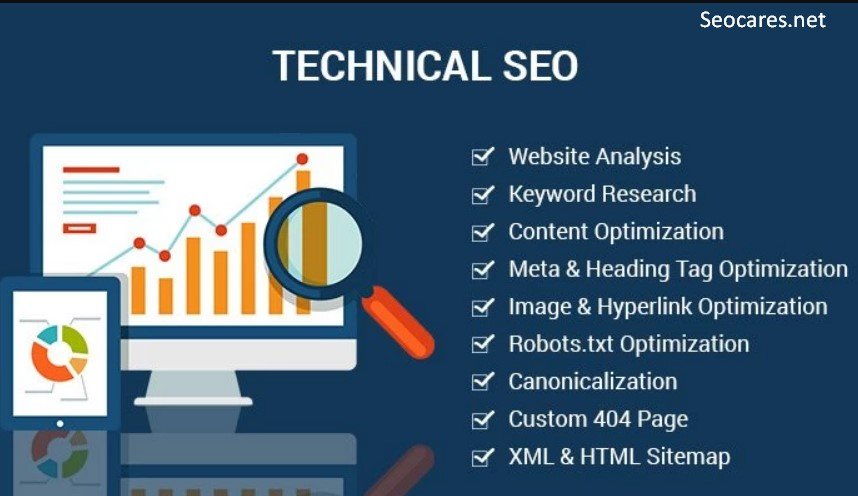
- Managing XML sitemaps and robots.txt files
- Implementing structured data (schema markup)
- Resolving duplicate content issues
- Ensuring mobile-friendliness and Core Web Vitals compliance
Unlike general marketing agencies, a technical SEO firm works closely with developers, sometimes even writing code themselves, to solve problems that content alone cannot fix.
Why Technical SEO Matters More Than You Think
Many website owners assume SEO is just about keywords and blog posts. That’s only part of the picture.
According to Google’s own Search Central documentation, a page must first be crawlable and indexable before ranking factors like content quality even come into play. If Google’s bots can’t reach your pages, your content quality won’t matter at all.
The Hidden Cost of Ignoring Technical SEO
Here’s what typically happens when technical issues go unresolved:
- Wasted crawl budget — Google spends limited resources crawling broken or unnecessary pages instead of your important content.
- Lower rankings despite great content — Even well-written pages underperform if they load slowly or aren’t mobile-optimized.
- Duplicate content confusion — Search engines may not know which version of a page to rank, splitting your ranking potential.
- Poor user experience — Slow, broken, or confusing sites drive visitors away, increasing bounce rates.
A technical SEO agency identifies these hidden issues before they quietly drain your traffic and revenue.
Core Services a Technical SEO Agency Provides

Not every agency offers the same scope of work. However, most reputable technical SEO agencies cover these core areas.
1. Site Audits and Crawl Analysis
This is usually the starting point. Agencies use crawling tools to scan every page on your site, flagging issues like broken links, redirect chains, and orphaned pages.
2. Site Speed and Core Web Vitals Optimization
Google uses Core Web Vitals as ranking signals. These measure loading speed, interactivity, and visual stability. Agencies optimize images, reduce server response time, and eliminate render-blocking code.
3. Mobile Optimization
Since Google uses mobile-first indexing, your mobile site version is what actually gets evaluated for rankings. Agencies test and fix mobile usability issues.
4. Structured Data Implementation
Schema markup helps search engines understand context. It also enables rich results like star ratings, FAQs, and product details directly in search listings.
5. Site Architecture and Internal Linking
A logical site structure helps both users and bots navigate efficiently. Agencies restructure navigation, fix internal linking gaps, and simplify URL hierarchies.
6. Indexation and Crawl Budget Management
This includes managing robots.txt files, XML sitemaps, canonical tags, and noindex directives so search engines focus on your most valuable pages.
7. HTTPS and Security Audits
Security is a confirmed ranking factor. Agencies check SSL certificate configuration and fix mixed-content warnings.
8. Migration and Redesign Support
Website migrations are high-risk for traffic loss if done incorrectly. Technical SEO agencies manage redirects, preserve link equity, and monitor post-launch performance.
Signs Your Website Needs Technical SEO Help
You don’t need to be an SEO expert to spot warning signs. Watch for these red flags:
- Rankings have stalled or dropped despite consistent content publishing
- Pages take more than 3 seconds to load
- Google Search Console shows crawl errors or coverage issues
- Your site isn’t mobile-friendly
- You recently migrated domains or redesigned your site and traffic dropped
- Multiple URLs show duplicate or near-identical content
- Your XML sitemap hasn’t been updated in months
If two or more of these apply to your site, it’s likely time to bring in specialized help.
In-House Team vs. Technical SEO Agency

| Factor | In-House Team | Technical SEO Agency |
| Cost | Higher long-term (salaries, benefits) | Often more cost-effective for project-based work |
| Expertise | Limited to hired staff’s skill set | Access to specialists across multiple disciplines |
| Tools | Requires separate software subscriptions | Usually includes premium tool access |
| Speed of Results | Slower onboarding and ramp-up | Faster deployment with proven processes |
| Flexibility | Fixed capacity | Scalable based on project needs |
| Industry Exposure | Limited to your business | Broad experience across industries and platforms |
For small to mid-sized businesses, agencies typically offer better value. Larger enterprises with ongoing technical needs may benefit from a hybrid approach, using an agency alongside internal developers.
How to Choose the Right Technical SEO Agency

Not all agencies deliver the same quality. Here’s a practical framework for evaluating candidates.
1. Ask for Case Studies With Real Data
A credible agency should show before-and-after metrics: organic traffic growth, crawl error reduction, or Core Web Vitals improvements. Vague testimonials aren’t enough.
2. Check Their Own Website Performance
If an agency’s own site is slow or has technical issues, that’s a clear warning sign. Run their site through PageSpeed Insights before signing anything.
3. Ask About Their Audit Process
A strong agency should explain their methodology clearly: what tools they use, how they prioritize fixes, and how they communicate findings to non-technical clients.
4. Confirm Developer Collaboration Experience
Technical SEO often requires code changes. Make sure the agency can work directly with your development team or CMS platform, whether that’s WordPress, Shopify, or a custom build.
5. Look for Transparent Reporting
You should receive clear, jargon-free reports showing what was fixed and what impact it had. Avoid agencies that hide behind vague monthly summaries.
6. Ask About Timeline Expectations
Technical SEO improvements can take weeks to show ranking impact, since Google needs time to recrawl and reindex changes. Be wary of anyone promising overnight results.
Red Flags to Avoid
Steer clear of agencies that show these warning signs:
- Guaranteed rankings — No agency can guarantee a #1 spot on Google. This violates Google’s own guidelines.
- Black-hat tactics — Cloaking, hidden text, or link schemes can get your site penalized.
- No clear reporting process — If they can’t explain what they’re doing, that’s a problem.
- One-size-fits-all packages — Every website has different technical needs; generic packages often miss critical issues.
- Poor communication — Slow responses or unclear explanations often signal deeper operational issues.
What Results to Expect and When
Technical SEO isn’t an instant fix. Here’s a realistic timeline based on typical project scope:
- Weeks 1–2: Full site audit and prioritized action plan
- Weeks 3–6: Implementation of critical fixes (speed, crawl errors, indexation)
- Weeks 6–12: Google recrawls and reindexes updated pages
- 3–6 months: Measurable improvements in rankings, organic traffic, and Core Web Vitals scores
Some fixes, like resolving a major crawl error, can show quick wins within days. Others, like improving domain-wide site speed, take longer to fully reflect in rankings.
Pros and Cons of Hiring a Technical SEO Agency
Pros
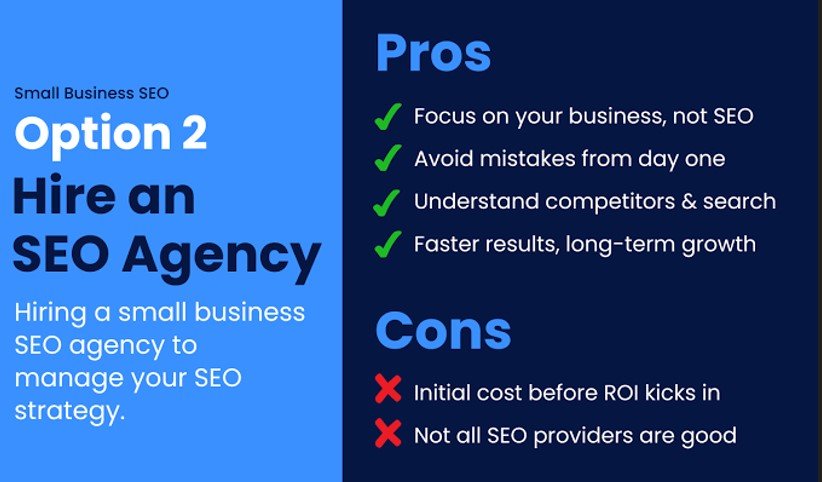
- Access to specialized expertise you likely don’t have in-house
- Faster identification and resolution of hidden issues
- Ongoing monitoring to catch new problems early
- Improved site speed, crawlability, and user experience
- Better long-term ROI from existing content and backlinks
Cons
- Requires upfront investment before seeing results
- Quality varies significantly between agencies
- Some fixes require close collaboration with your dev team, which can slow progress
- Results take time; not a quick-fix solution
Frequently Asked Questions
1. What does a technical SEO agency actually do?
A technical SEO agency audits and fixes the backend elements of your website, including crawlability, site speed, mobile usability, structured data, and indexation, so search engines can properly access and rank your pages.
2. How much does a technical SEO agency cost?
Pricing varies widely based on site size and scope of work. Smaller projects may start around a few hundred dollars, while comprehensive ongoing services for larger sites can run into several thousand dollars monthly.
3. How long does technical SEO take to show results?
Most businesses see initial improvements within 6 to 12 weeks, with fuller results appearing over 3 to 6 months as Google recrawls and reindexes the updated site.
4. Do I need technical SEO if I already have good content?
Yes. Even excellent content won’t rank well if search engines can’t crawl or index your pages properly. Technical SEO ensures your content actually gets the chance to perform.
5. Can I do technical SEO myself?
Basic fixes are possible with tools like Google Search Console and PageSpeed Insights. However, complex issues like crawl budget optimization or structured data implementation usually require specialized expertise.
6. What’s the difference between technical SEO and on-page SEO?
Technical SEO focuses on backend elements like site speed and crawlability. On-page SEO focuses on content elements like keywords, headers, and meta tags. Both work together for full optimization.
7. How do I know if my site has technical SEO problems?
Check Google Search Console for crawl errors, test your site speed with PageSpeed Insights, and review your mobile usability report. Stalled rankings despite good content are also a common sign.
8. Will a technical SEO agency work with my current developer?
Most reputable agencies collaborate directly with in-house or freelance developers to implement changes, especially for custom-built or complex websites.
9. Is technical SEO a one-time fix or ongoing service?
While an initial audit addresses existing issues, technical SEO requires ongoing monitoring since new problems can emerge from content updates, plugin changes, or algorithm updates.
10. What tools do technical SEO agencies typically use?
Common tools include Screaming Frog, Google Search Console, Ahrefs, SEMrush, PageSpeed Insights, and Google Analytics, though specific tool stacks vary by agency.
Conclusion
A strong content strategy and quality backlinks only get you halfway to real search visibility. Without a solid technical foundation, even the best content can go unnoticed by search engines.
A skilled technical SEO agency finds and fixes the issues holding your site back, from slow load times to crawl errors to poor mobile experiences. The right partner won’t just hand you a report full of jargon. They’ll explain what’s broken, why it matters, and how fixing it moves your business forward.
Before choosing an agency, ask for real data, check their communication style, and set realistic expectations for timelines. Technical SEO is an investment that compounds over time, and getting it right the first time saves you months of wasted effort down the road.