Finding the right web development company in India can feel overwhelming. There are thousands of agencies, freelancers, and studios all claiming to be the best. Some deliver great work. Others disappear after taking your deposit.
This guide cuts through the noise. You’ll learn what a good Indian web development company actually looks like, how much projects really cost, what red flags to avoid, and how to evaluate an agency before you sign anything.
Whether you’re a startup founder building your first website or a business owner switching from an unreliable vendor, this article gives you a practical framework — not just a sales pitch.
Why Businesses Choose Web Development Companies in India

India has become one of the world’s largest hubs for software and web development. Companies from the US, UK, Australia, and the Middle East regularly outsource their web projects here. There are three main reasons for this.
First, cost efficiency. Indian developers typically charge far less than their counterparts in Western countries, without necessarily sacrificing quality. This makes India attractive for startups working with tight budgets.
Second, technical talent pool. India produces millions of engineering graduates every year. Many of them specialize in web technologies like React, Node.js, PHP, and WordPress, giving businesses access to a deep bench of skilled developers.
Third, English proficiency. Communication is often the biggest barrier in outsourcing. Indian development teams generally communicate well in English, which reduces the friction that can derail international projects.
That said, not every agency delivers on these promises. The market is crowded, and quality varies widely between top-tier studios and low-cost outsourcing shops that cut corners.
Types of Web Development Services Offered

Before you approach any agency, it helps to know what “web development” actually covers. Most companies offer some combination of the following:
- Custom website development — built from scratch for unique business needs
- E-commerce development — using platforms like Shopify, WooCommerce, or Magento
- WordPress development — themes, plugins, and custom functionality
- Web application development — SaaS platforms, dashboards, internal tools
- API development and integration — connecting your site to third-party services
- UI/UX design — wireframes, prototypes, and visual design
- Website maintenance and support — updates, security patches, backups
A good agency will tell you upfront which of these they specialize in. Be cautious of companies that claim to be experts at everything — depth usually matters more than breadth.
How Much Does Web Development Cost in India?
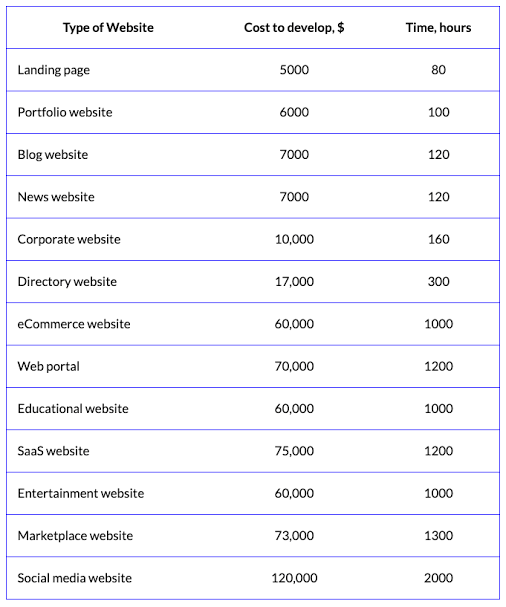
Pricing is one of the biggest reasons businesses look toward India in the first place. Here’s a realistic breakdown based on project complexity.
| Project Type | Estimated Cost (USD) | Typical Timeline |
| Basic business website (5–8 pages) | $300 – $1,000 | 1–3 weeks |
| WordPress website with custom design | $500 – $2,500 | 2–5 weeks |
| E-commerce store (WooCommerce/Shopify) | $800 – $5,000 | 3–8 weeks |
| Custom web application | $3,000 – $25,000+ | 2–6 months |
| Enterprise-grade platform | $15,000+ | 4–12 months |
These numbers vary based on the agency’s location within India, the experience level of the team, and whether you’re hiring a dedicated developer or a full project team. Tier-1 cities like Bangalore and Mumbai tend to charge more than agencies based in smaller cities, even for comparable work.
A practical tip: always ask for an hourly rate alongside a fixed project quote. Hourly rates in India typically range from $15 to $40 for mid-level developers, and $40 to $80+ for senior developers or specialized architects. This helps you sanity-check whether a fixed quote is reasonable.
Key Factors to Evaluate Before Hiring
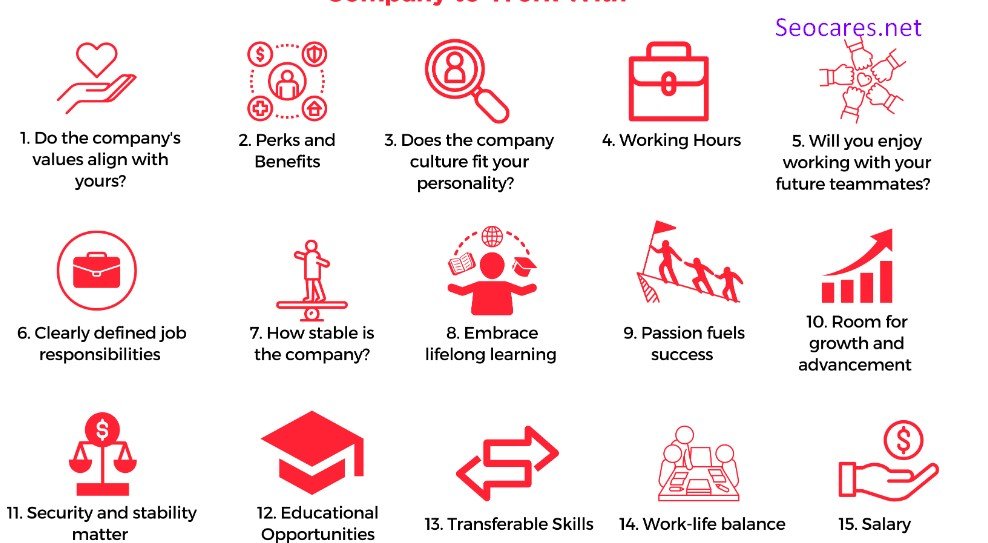
Choosing a web development partner isn’t just about price. Here’s what actually determines whether a project succeeds.
1. Portfolio Relevance
Don’t just look at how polished a portfolio looks. Look for projects similar to yours in scope and industry. An agency that has built ten e-commerce stores will handle your online shop far better than one whose portfolio is mostly landing pages.
2. Technical Depth
Ask specific questions about their tech stack. A company that gives vague answers about “using the latest technology” without naming specific frameworks is a warning sign. You want specifics: React or Vue for frontend, Node.js or Laravel for backend, and clear reasoning for why they’d choose one over another for your project.
3. Communication Process
Find out how they manage projects. Do they use tools like Slack, Trello, or Jira? Will you get a dedicated project manager, or will you be routed through multiple people? Clear communication structure early on prevents confusion later.
4. Post-Launch Support
Websites need maintenance. Ask what happens after launch — do they offer a support package, and what does it cover? Bug fixes only, or ongoing feature updates too?
5. Client Reviews on Independent Platforms
Check platforms like Clutch, GoodFirms, or Google Reviews rather than relying solely on testimonials on the company’s own website. Independent reviews are harder to fake and give a more honest picture.
In-House Team vs Agency vs Freelancer

This decision shapes your entire project experience. Here’s how the three options compare.
| Factor | In-House Team | Agency | Freelancer |
| Cost | Highest | Moderate to High | Lowest |
| Control | Full control | Shared control | Full control (if reliable) |
| Speed of Hiring | Slow | Fast | Fast |
| Scalability | Requires more hiring | Easy to scale up/down | Limited |
| Risk of Delay | Low | Moderate | Higher |
| Best For | Long-term product companies | Mid-to-large projects | Small, simple projects |
If your project is a one-time simple website, a freelancer might be enough. If you need ongoing development, a reliable web development company in India is usually the better middle ground — you get a team without the overhead of full-time hires.
Red Flags to Watch Out For
Not every agency operates with integrity. Watch for these warning signs before signing a contract.
- Unusually low quotes — if a price seems too good to be true, it usually means corners will be cut somewhere (design quality, code security, or support)
- No written contract or scope document — always insist on a clear Statement of Work (SOW)
- Reluctance to share past client references — legitimate agencies are happy to connect you with previous clients
- Full upfront payment demands — reasonable agencies work with milestone-based payments
- Vague answers about ownership — confirm in writing that you own the source code and design files after final payment
- No clear process for revisions — ask how many rounds of revisions are included before extra charges apply
A trustworthy agency won’t be defensive when you ask these questions. If you sense hesitation, treat it as a signal to look elsewhere.
How to Shortlist the Right Company

Here’s a simple step-by-step process to narrow down your options.
- List 8–10 candidates using platforms like Clutch, GoodFirms, and LinkedIn recommendations.
- Filter by portfolio relevance — remove anyone whose work doesn’t match your project type.
- Check independent reviews for consistency in client satisfaction, not just star ratings.
- Request detailed proposals from your top 3–4 choices, including timeline and cost breakdown.
- Conduct a short interview call to assess communication clarity and technical understanding.
- Ask for a small paid trial task if the project is large — this reveals real working quality before a full commitment.
- Review the contract carefully, especially clauses on ownership, timelines, and payment terms.
This process takes a few extra days but saves you from costly mistakes later.
Popular Tech Stacks Indian Agencies Use
Understanding common tech stacks helps you have informed conversations with potential vendors.
- WordPress + Elementor/Kadence — popular for content-heavy sites and blogs, quick to launch, cost-effective
- MERN Stack (MongoDB, Express, React, Node.js) — common for custom web applications and SaaS products
- Laravel + Vue.js — widely used for business applications requiring strong backend logic
- Shopify/WooCommerce — standard choices for e-commerce stores
- Next.js — increasingly popular for fast, SEO-friendly websites and headless commerce setups
There’s no single “best” stack — the right choice depends on your project’s scale, budget, and long-term maintenance plans. A good agency will recommend a stack based on your actual needs, not just what they’re comfortable building.
Pros and Cons of Hiring an Indian Web Development Company

Pros
- Significantly lower development costs compared to US, UK, or European agencies
- Access to a large, technically skilled talent pool
- Strong English communication in most professional agencies
- Time zone advantage for round-the-clock development cycles when working with Western clients
- Wide range of specializations, from WordPress to complex custom applications
Cons
- Quality varies significantly between agencies — research is essential
- Time zone differences can occasionally slow down real-time communication
- Some smaller agencies may lack formal project management processes
- Language nuances can occasionally cause minor miscommunication on design preferences
- Contract enforcement across countries can be more complex if disputes arise
Frequently Asked Questions
1. How much does it cost to hire a web development company in India?
Costs range from around $300 for a basic website to $25,000 or more for complex custom applications, depending on scope and complexity.
2. Is it safe to hire a web development company in India?
Yes, as long as you verify their portfolio, check independent reviews, and use a written contract with clear milestones and payment terms.
3. How long does it take to build a website in India?
A basic website usually takes 1–3 weeks. Custom web applications can take anywhere from 2 to 6 months, depending on complexity.
4. Do Indian web development companies work with international clients?
Yes, most established agencies regularly work with clients from the US, UK, Australia, Canada, and the Middle East, and are experienced with cross-timezone collaboration.
5. Should I hire a freelancer or an agency for my website?
Freelancers work well for small, simple projects. Agencies are better suited for larger projects that need a team, structured project management, and ongoing support.
6. What should be included in a web development contract?
A solid contract should cover project scope, timeline, payment milestones, revision policy, and clear terms on code and design ownership.
7. Can I get website maintenance after the project is completed?
Most agencies offer post-launch maintenance packages covering updates, security patches, and bug fixes. Always confirm this before signing.
8. Which technology is best for building a business website?
WordPress works well for content-driven sites, while custom stacks like React or Laravel suit businesses needing advanced functionality or scalability.
9. How do I verify if a web development company is legitimate?
Check their registration details, look for reviews on Clutch or GoodFirms, and ask for direct references from past clients you can contact.
10. Do Indian agencies provide SEO along with web development?
Many do offer basic on-page SEO as part of website development, but advanced SEO strategy is often a separate service — confirm this scope clearly before starting.
Conclusion
A reliable web development company in India can genuinely deliver excellent value — strong technical skills at a fraction of Western pricing. But the market has enough inconsistency that due diligence isn’t optional.
Focus on relevant portfolio experience, transparent pricing, clear contracts, and independent reviews rather than flashy sales pitches. Take the time to shortlist properly, ask direct questions, and start with a smaller trial task if the project is large.
Get this evaluation right, and you’ll find a development partner capable of supporting your business for years, not just one project.