Every business wants to show up when someone searches for what they sell. That’s the whole point of SEO marketing.
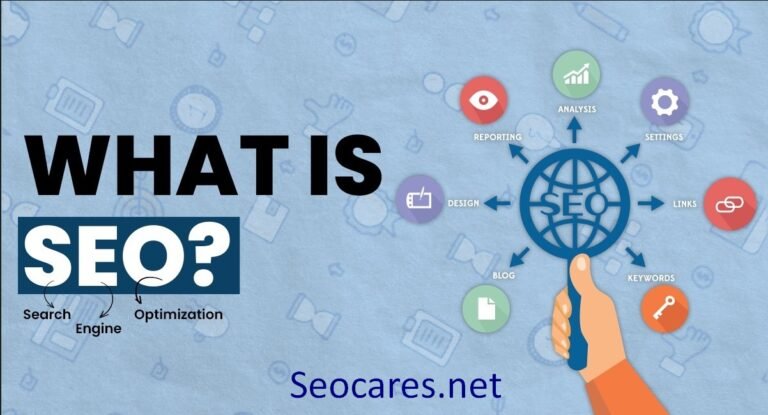
SEO stands for search engine optimization. Marketing means getting your message in front of the right people. Put them together, and you get a strategy that helps your website earn free, steady traffic from Google and other search engines.
Most business owners know SEO matters. Fewer understand how it actually works. This guide breaks it down in plain language, with no jargon overload and no fluff. You’ll learn what SEO marketing includes, why it works, and how to start doing it the right way.
By the end, you’ll have a clear plan you can use today, whether you run a small local shop or a growing online brand.
Read More: SEO Tips
What Is SEO Marketing?
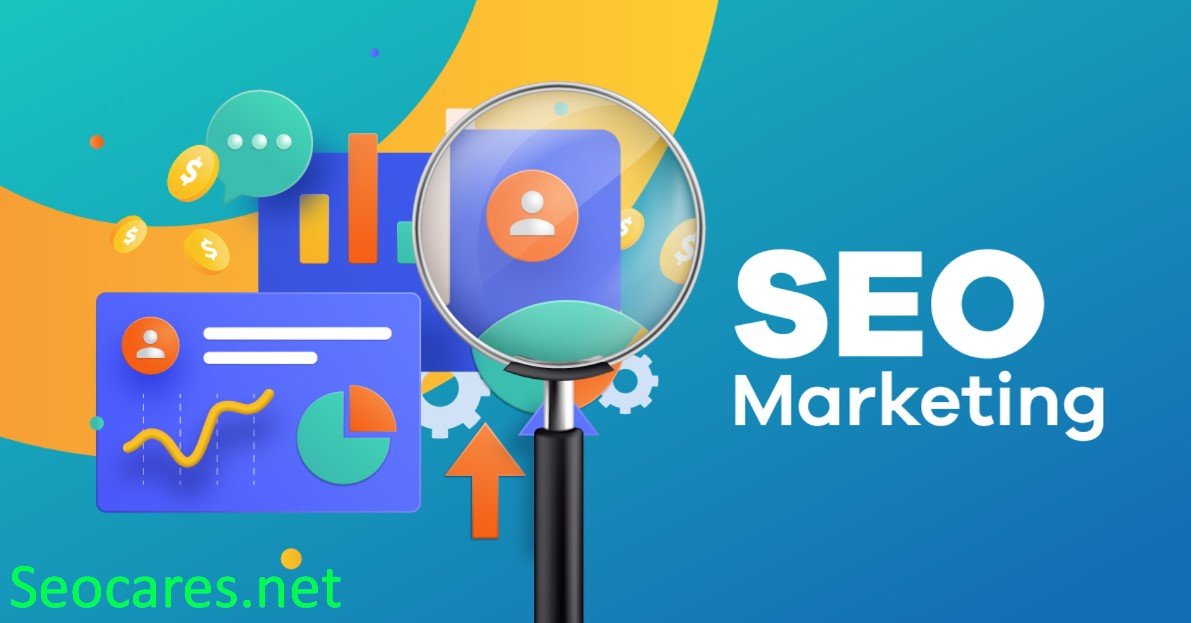
SEO marketing is the process of improving a website so it ranks higher in search results and attracts more of the right visitors. It combines technical website work, content creation, and reputation building.
Unlike paid ads, SEO traffic is free once you rank. You don’t pay Google every time someone clicks your link. Instead, you invest time and effort upfront to build a page that search engines trust and want to show.
Search engines like Google use complex systems to decide which pages deserve the top spots. These systems look at hundreds of signals, including page speed, content quality, mobile usability, and how other trustworthy sites link to your page.
SEO marketing brings all of these pieces together into one connected strategy instead of treating them as separate tasks.
Why SEO Marketing Matters in 2026

Search behavior keeps changing, but one thing stays true: people trust organic search results more than ads.
Here’s why SEO marketing remains one of the smartest long-term investments a business can make:
- Higher trust. Studies consistently show users click organic results more often than paid ones.
- Better ROI over time. Once a page ranks well, it can bring traffic for months or years without extra spending.
- Compounding growth. Each new optimized page adds to your site’s overall authority.
- AI search integration. AI-powered search summaries pull information from well-structured, trustworthy pages, so strong SEO now also helps you appear in AI-generated answers.
- Local visibility. Most people research businesses online before visiting in person, making local search rankings critical for foot traffic.
Businesses that ignore SEO marketing often rely too heavily on paid ads, which stop working the moment the budget runs out.
The Core Pillars of SEO Marketing

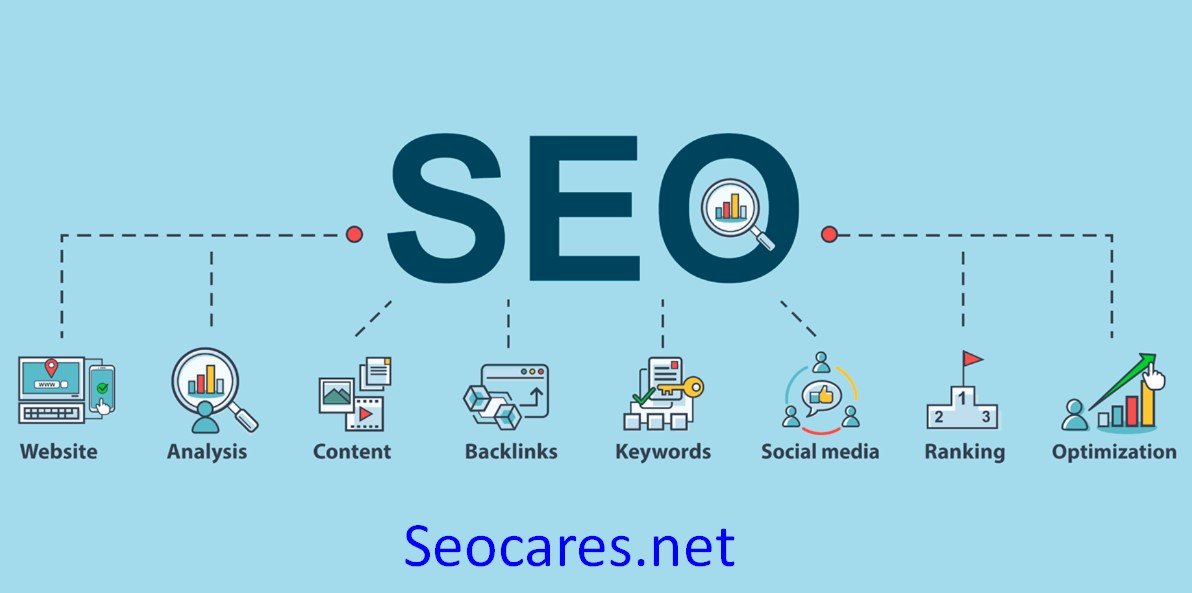
SEO marketing isn’t one single task. It’s built on four connected pillars that work together.
1. On-Page SEO
Everything you control directly on your website, like titles, headings, and content.
2. Off-Page SEO
Actions taken outside your website that build authority, such as backlinks and brand mentions.
3. Technical SEO
The behind-the-scenes structure that helps search engines crawl and understand your site.
4. User Experience (UX)
How visitors interact with your site, including speed, design, and ease of navigation.
Skipping any one of these pillars weakens the entire strategy. A fast, well-structured site with weak content won’t rank. Great content on a slow, broken site won’t rank either.
On-Page SEO: Optimizing What’s on Your Site
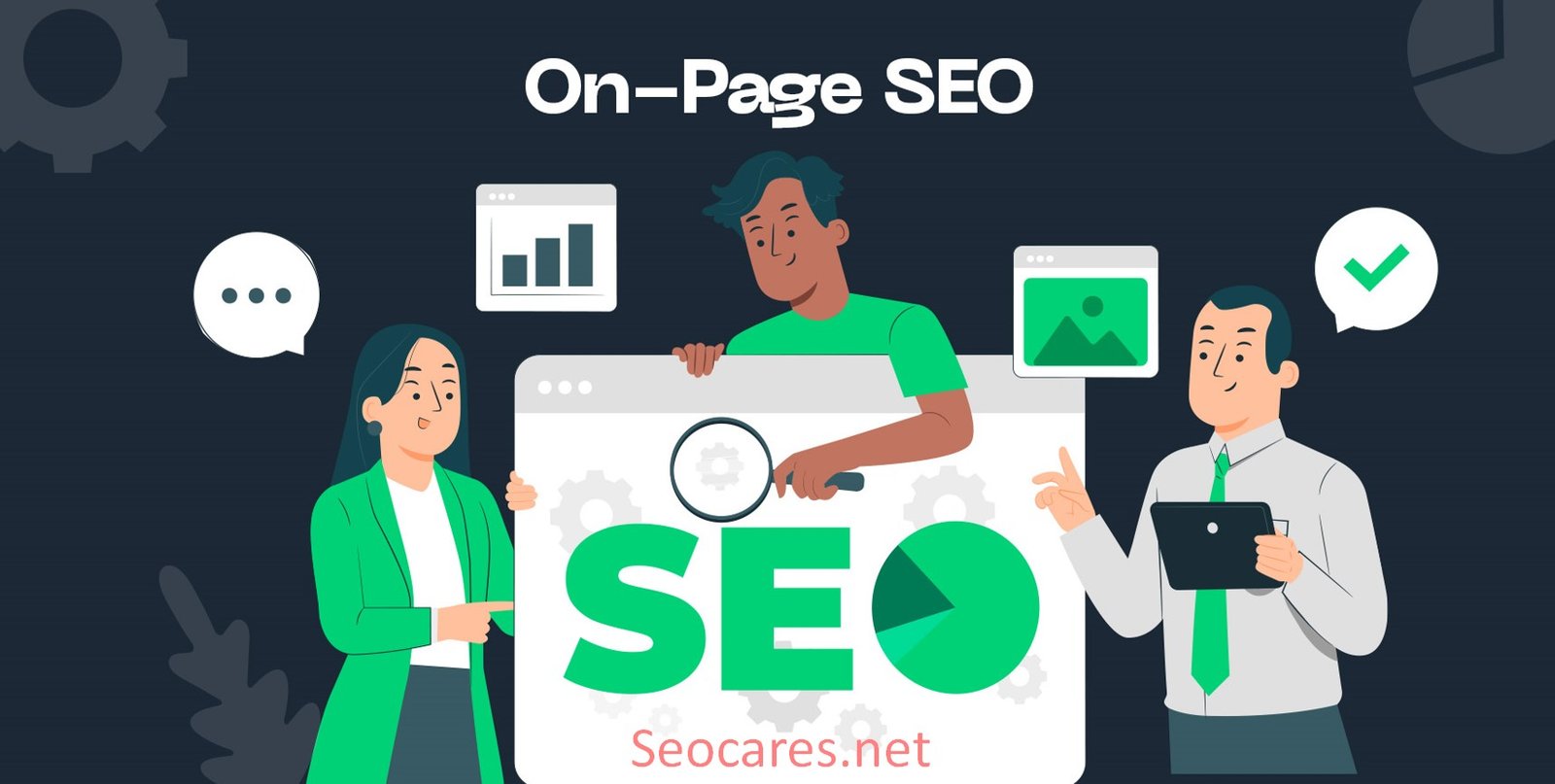
On-page SEO focuses on the elements you can edit directly. This is where most beginners should start.
Title Tags and Meta Descriptions
Your title tag is the headline shown in search results. It should include your target keyword naturally and stay under 60 characters. Your meta description summarizes the page in about 150-155 characters and should encourage a click.
Header Structure
Use one H1 per page for the main topic. Break the content into H2 and H3 sections so both readers and search engines can follow the structure easily.
Keyword Placement
Place your main keyword in the title, the first paragraph, at least one subheading, and naturally throughout the body. Avoid stuffing it in unnaturally, since search engines now penalize that behavior.
Internal Linking
Link to other relevant pages on your own site. This helps visitors explore more content and helps search engines understand how your pages relate to each other.
Image Optimization
Compress images for faster loading, and add descriptive alt text that explains what the image shows. This also improves accessibility for visually impaired visitors.
Read More: Seo cares
Off-Page SEO: Building Trust and Authority
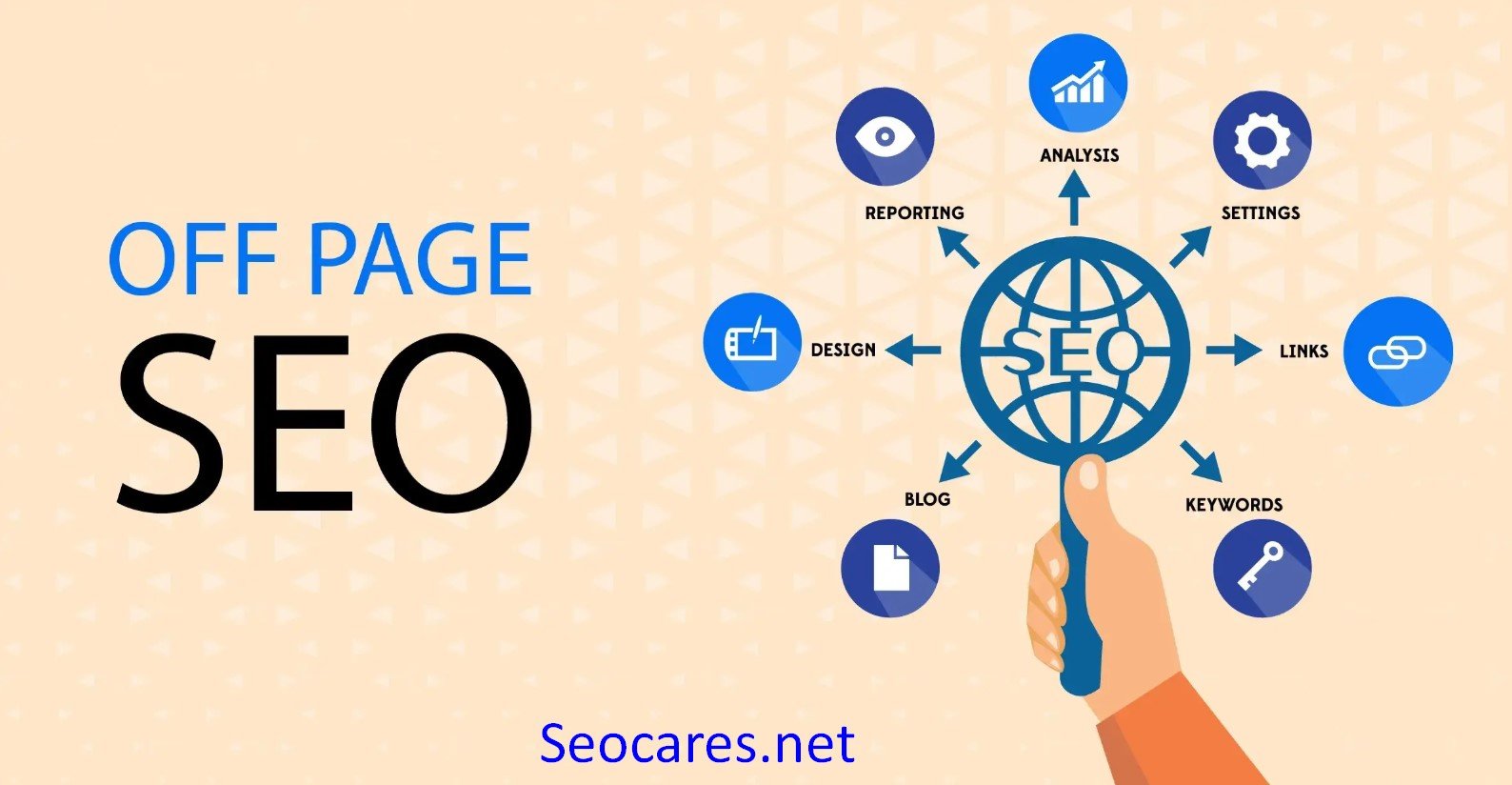
Off-page SEO tells search engines that other people trust your website too.
Backlinks
A backlink is a link from another website pointing to yours. Quality matters far more than quantity. One link from a respected industry site is worth more than fifty links from low-quality directories.
Effective ways to earn backlinks:
- Publish original research or data other sites want to cite
- Write guest posts for reputable industry blogs
- Build relationships with journalists and bloggers in your niche
- Create tools, templates, or resources people naturally want to share
Brand Mentions
Even unlinked mentions of your business name across the web can strengthen your reputation with search engines over time.
Social Signals
While social shares don’t directly boost rankings, they increase visibility, which often leads to more backlinks and traffic.
Technical SEO: The Foundation Nobody Sees
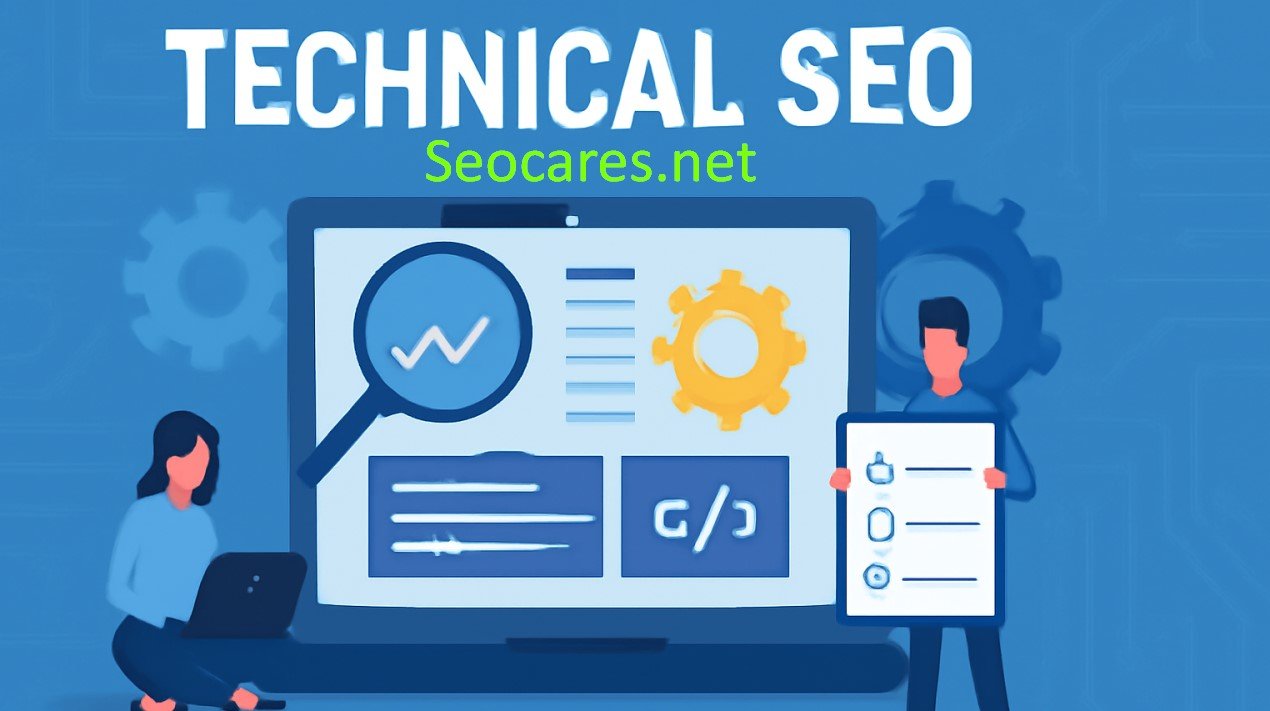
Technical SEO makes sure search engines can actually crawl, read, and index your site correctly. Without this foundation, even great content can go unnoticed.
Site Speed
Slow websites lose visitors and rankings. Compress images, use caching, and choose reliable hosting to keep load times under three seconds.
Mobile-Friendliness
Google primarily uses the mobile version of your site to determine rankings. A site that looks broken on phones will struggle to rank, no matter how good the desktop version looks.
Secure Connection (HTTPS)
An SSL certificate protects visitor data and is now a standard trust signal for both users and search engines.
XML Sitemap and Robots.txt
A sitemap helps search engines find all your important pages. A properly configured robots.txt file tells them which pages to skip, like admin or checkout pages.
Structured Data
Adding schema markup helps search engines understand your content better and can unlock rich results, like star ratings or FAQ dropdowns, directly in search listings.
Read More: SEO Agency Interamplify
Content Marketing and SEO: Why They Work Together

Content is the fuel that powers SEO marketing. Without helpful, relevant content, there’s nothing for search engines to rank.
Search Intent First
Before writing anything, ask what the searcher actually wants. Someone searching “seo marketing” may want a definition, a strategy guide, or a service provider. Matching intent is more important than keyword density.
Content Types That Perform Well
- How-to guides that solve a specific problem
- Comparison articles that help people choose between options
- List posts that organize information clearly
- Case studies that show real results
- FAQ pages that answer common questions directly
Content Freshness
Search engines favor pages that stay updated. Revisiting old articles to add new information keeps them competitive against newer content.
E-E-A-T Principles
Google evaluates content based on Experience, Expertise, Authoritativeness, and Trustworthiness. This means real author bios, cited sources, and firsthand knowledge matter more than ever.
Local SEO Marketing for Small Businesses
If you run a physical location or serve a specific area, local SEO deserves special attention.
Google Business Profile
Claim and fully complete your free Google Business Profile. Add accurate hours, photos, categories, and services. Respond to every review, positive or negative.
NAP Consistency
Your Name, Address, and Phone number should match exactly across your website, directories, and social profiles. Inconsistent details confuse search engines and hurt rankings.
Local Keywords
Include your city or region naturally in titles, headings, and content. For example, “seo marketing agency in Austin” targets both the service and the location.
Local Reviews
Reviews strongly influence local rankings and buyer decisions. Ask satisfied customers directly, and make the process simple with a shareable link.
SEO Marketing vs. Paid Advertising
Many businesses debate where to invest their marketing budget. Here’s a straightforward comparison.
| Factor | SEO Marketing | Paid Advertising |
| Cost over time | Lower long-term cost | Ongoing cost per click |
| Speed of results | Slower, takes months | Immediate visibility |
| Trust level | Higher, seen as organic | Lower, seen as an ad |
| Longevity | Traffic continues after ranking | Stops when budget ends |
| Control | Less control over ranking position | Full control over placement |
| Best for | Long-term growth | Quick campaigns and launches |
The strongest strategies often combine both. Paid ads generate quick traffic while SEO builds toward sustainable, long-term visibility.
Common SEO Marketing Mistakes to Avoid

Many businesses waste time and money by falling into predictable traps.
- Chasing keywords instead of intent. Ranking for the wrong keyword brings visitors who don’t convert.
- Ignoring mobile experience. A clunky mobile site drives visitors away instantly.
- Buying low-quality backlinks. This can trigger penalties instead of boosting rankings.
- Publishing thin content. Short, generic pages rarely rank well against detailed competitors.
- Forgetting to update old content. Outdated statistics and broken links damage credibility.
- Skipping analytics. Without tracking, it’s impossible to know what’s actually working.
Avoiding these mistakes saves months of wasted effort and helps you focus on strategies that actually move the needle.
How to Build an SEO Marketing Strategy Step by Step
Follow this process to build a strategy from scratch.
Step 1: Set Clear Goals
Decide what success looks like, whether that’s more leads, sales, or brand visibility.
Step 2: Research Your Audience
Understand what your ideal customer searches for and what questions they need answered.
Step 3: Conduct Keyword Research
Use tools to find keywords with real search volume and reasonable competition for your site’s current authority level.
Step 4: Audit Your Website
Check current site speed, mobile usability, and existing content quality before making changes.
Step 5: Create a Content Calendar
Plan topics that target different stages of the buyer journey, from awareness to decision.
Step 6: Optimize and Publish
Apply on-page best practices to every new piece of content before it goes live.
Step 7: Build Authority
Reach out for backlinks, guest posting opportunities, and partnerships within your industry.
Step 8: Track and Adjust
Monitor rankings, traffic, and conversions monthly. Adjust your strategy based on what the data shows.
Consistency matters more than perfection. Small, regular improvements compound into major results over time.
Pros and Cons of SEO Marketing
Pros:
- Generates free, ongoing traffic once rankings are established
- Builds long-term brand credibility and trust
- Improves overall website usability and speed
- Targets users actively searching for solutions
- Works alongside other marketing channels
Cons:
- Results take months, not days
- Requires ongoing effort to maintain rankings
- Algorithm updates can shift performance unexpectedly
- Highly competitive niches require significant resources
- No guaranteed top ranking, even with best practices
Read More: What Is SEO?
Frequently Asked Questions
1. What does SEO marketing mean in simple terms?
SEO marketing means improving your website so it appears higher in search results, bringing more visitors without paying for ads.
2. How long does SEO marketing take to work?
Most websites see noticeable results within four to six months, though competitive industries can take longer.
3. Is SEO marketing still worth it in 2026?
Yes. Even with AI search tools growing, well-optimized content still forms the basis of what gets surfaced and trusted.
4. What’s the difference between SEO and SEM?
SEO focuses on organic rankings, while SEM (search engine marketing) includes both SEO and paid search ads.
5. Can I do SEO marketing myself, or do I need an agency?
Small businesses can handle basic SEO themselves with the right guidance, though larger or competitive projects often benefit from expert help.
6. How much does SEO marketing cost?
Costs vary widely, from free DIY efforts to several thousand dollars monthly for agency-managed campaigns.
7. What is the most important ranking factor?
There’s no single factor. Google uses a combination of content quality, backlinks, user experience, and technical health.
8. Does SEO marketing work for small local businesses?
Yes. Local SEO helps small businesses appear in nearby searches and Google Maps results, often with less competition than national keywords.
9. How often should I update my SEO strategy?
Review performance monthly and make major strategy adjustments quarterly, or sooner if search algorithms change significantly.
10. What tools do I need to start SEO marketing?
A keyword research tool, an analytics platform like Google Analytics, and Google Search Console cover the essentials for most beginners.
Conclusion
SEO marketing isn’t a quick trick or a one-time project. It’s an ongoing investment that rewards consistency, quality, and patience.
When you combine strong on-page optimization, technical health, valuable content, and genuine authority building, you create a website that search engines want to recommend.
Start with one pillar at a time if the full process feels overwhelming. Even small, steady improvements add up to meaningful traffic and growth over months and years.
The businesses that win with SEO marketing aren’t always the biggest. They’re the ones that stay consistent, keep learning, and put their audience’s needs first.
Learn More: