Have you ever typed a question into Google and wondered how some websites always show up first? That’s not luck. It’s the result of SEO.
If you’ve been asking, “What does SEO mean?” you’re in the right place. This guide breaks down the SEO meaning in plain English, explains how it works, and shows you why it matters for anyone who owns a website, runs a business, or writes content online.
By the end of this article, you’ll understand SEO from the ground up. No jargon. No confusion. Just clear answers.
What Does SEO Stand For?
SEO stands for Search Engine Optimization. It’s the practice of improving a website so that search engines like Google, Bing, and Yahoo can understand it, trust it, and show it to people searching for related topics.
The word “optimization” is the key part. It means making something work as well as possible. In this case, you’re optimizing a website to perform better in search results.
Search engines want to give users the best possible answer to their questions. SEO helps your content become that answer.
SEO Meaning in Simple Words
Let’s make this even simpler. Imagine a giant library with billions of books, but no librarian to help you find anything. That’s the internet without search engines.
Now imagine a librarian who reads every book, understands what each one is about, and hands you the best one when you ask a question. That’s what Google tries to do.
SEO is the process of making your “book” (your website) easy for that librarian to find, understand, and recommend.
When your website is well-optimized, it appears higher in search results. Higher rankings mean more visitors, more trust, and more opportunities — whether you’re selling products, sharing ideas, or growing a brand.
Why SEO Matters for Your Website
Some people think SEO is optional. It isn’t, especially in a world where most people start their buying journey with a search engine.
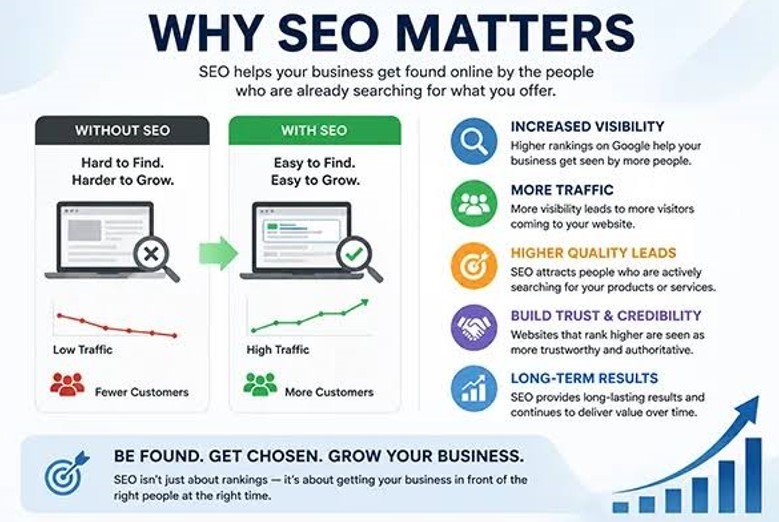
Here’s why SEO matters:
- Free, long-term traffic. Unlike ads, organic traffic from SEO doesn’t stop the moment you stop paying.
- Builds trust and credibility. People trust websites that rank high on Google more than random ads.
- Better user experience. Good SEO practices also make your website faster, cleaner, and easier to use.
- Higher conversion rates. Visitors who find you through search are often already interested in what you offer.
- Competitive advantage. If your competitors rank higher than you, they get the clicks — and the customers.
SEO isn’t just a marketing tactic. It’s an investment in your website’s future visibility.
How Search Engines Actually Work
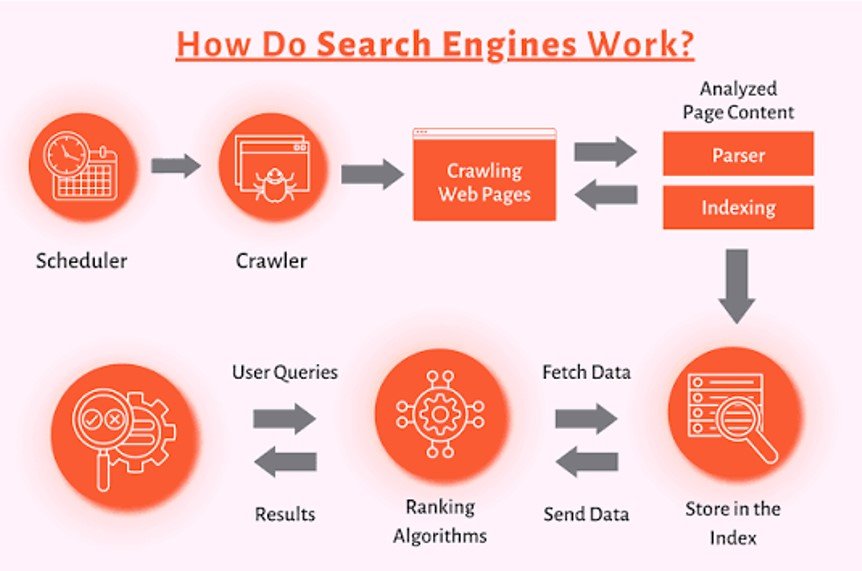
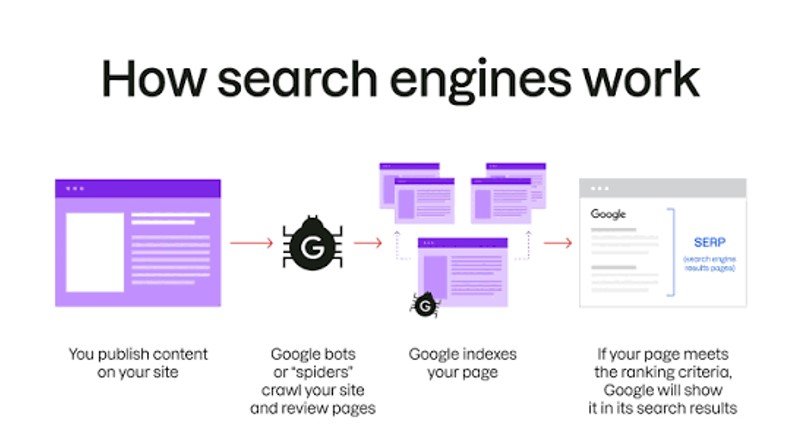
To understand SEO, you need to understand how search engines find and rank content. The process happens in three main stages.
1. Crawling
Search engines use automated programs called crawlers or bots (Googlebot is the most famous one) to scan the internet. These bots follow links from page to page, collecting information about each website they visit.
2. Indexing
Once a page is crawled, the search engine stores information about it in a massive database called an index. Think of the index as a giant filing cabinet holding details about every page the crawler has found.
If a page isn’t indexed, it simply cannot appear in search results, no matter how good the content is.
3. Ranking
When someone searches for something, the search engine scans its index and ranks the most relevant, trustworthy, and useful pages at the top. This ranking process uses hundreds of factors, which is exactly where SEO comes in.
The Three Main Types of SEO
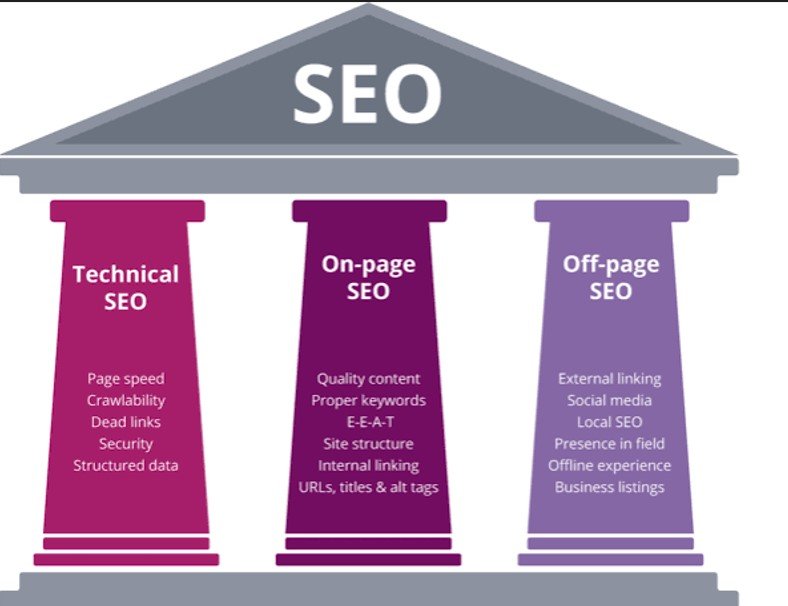
SEO isn’t just one thing. It’s made up of three connected areas that work together.
| Type | What It Focuses On | Example Actions |
| On-Page SEO | Content and structure on your site | Keywords, headings, images |
| Off-Page SEO | Signals from outside your site | Backlinks, social shares, mentions |
| Technical SEO | Website performance and structure | Site speed, mobile-friendliness, sitemaps |
Let’s look at each one in detail.
On-Page SEO Explained
On-page SEO refers to everything you can control directly on your website’s pages. This is usually where beginners start because it’s the most hands-on part of SEO.
Key elements of on-page SEO include:
- Title tags that clearly describe the page content
- Meta descriptions that encourage clicks from search results
- Header tags (H1, H2, H3) that organize content logically
- Keyword usage placed naturally, without stuffing
- Internal linking to connect related pages on your site
- Image optimization using descriptive file names and alt text
- Content quality that actually answers the searcher’s question
Good on-page SEO isn’t about tricking search engines. It’s about making your content genuinely helpful and easy to understand — for both readers and search engines.
Off-Page SEO Explained
Off-page SEO covers actions taken outside your own website that influence your rankings. The biggest factor here is backlinks — links from other websites pointing to yours.
Search engines see backlinks as votes of confidence. If trustworthy websites link to your content, search engines assume your content must be valuable.
Other off-page factors include:
- Brand mentions across the web
- Social media engagement
- Guest posting on reputable sites
- Online reviews and reputation
- Influencer or industry partnerships
Off-page SEO takes longer to build because it depends on other people trusting and referencing your content.
Technical SEO Explained
Technical SEO ensures search engines can crawl and understand your website without obstacles. Even the best content won’t rank if technical issues block search engines from accessing it.
Important technical SEO factors include:
- Site speed — slow websites frustrate users and search engines alike
- Mobile-friendliness — most searches now happen on phones
- Secure connection (HTTPS) — a basic trust signal
- XML sitemaps — help search engines find your pages faster
- Clean URL structure — simple, readable web addresses
- Fixing broken links — prevents dead ends for users and crawlers
Technical SEO is often invisible to regular visitors, but it forms the foundation everything else is built on.
SEO vs. Paid Advertising: Key Differences
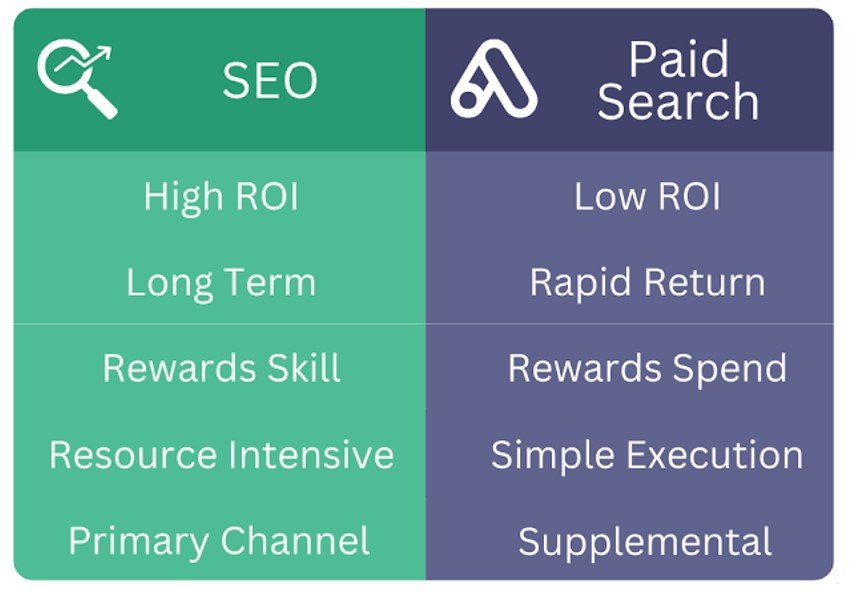
People often confuse SEO with paid search ads (like Google Ads). While both appear on search engine results pages, they work very differently.
| Feature | SEO | Paid Advertising |
| Cost | Free traffic (time investment) | Pay per click |
| Speed | Takes months to build | Immediate results |
| Longevity | Long-term, lasting results | Stops when budget ends |
| Trust factor | Higher user trust | Lower trust (seen as ads) |
| Sustainability | Compounds over time | Requires ongoing spend |
The smartest businesses often combine both. Paid ads generate quick traffic, while SEO builds sustainable growth over time.
Common SEO Myths People Still Believe
SEO has changed a lot over the years, but outdated myths still circulate. Let’s clear a few up.
- Myth: SEO is a one-time task. In reality, SEO requires ongoing updates as algorithms and competition change.
- Myth: More keywords equal better rankings. Keyword stuffing actually hurts rankings today.
- Myth: SEO guarantees the #1 spot. No one can guarantee rankings — not even Google itself.
- Myth: Backlinks don’t matter anymore. Backlinks remain one of the strongest ranking signals.
- Myth: SEO is only about Google. SEO also applies to Bing, YouTube, Amazon, and other search platforms.
Understanding what SEO really is helps you avoid wasting time on outdated tactics.
Pros and Cons of SEO
Like any strategy, SEO has strengths and limitations. Here’s a balanced look.
Pros:
- Generates free, ongoing traffic over time
- Builds long-term brand credibility
- Improves overall website usability
- Offers a strong return on investment
- Works well alongside other marketing channels
Cons:
- Results take time — usually several months
- Requires consistent effort and updates
- Search algorithms change frequently
- Highly competitive niches require more resources
- No guaranteed rankings, even with best practices
Knowing both sides helps set realistic expectations before you start.
How Long Does SEO Take to Work?
This is one of the most common questions beginners ask. The honest answer: SEO typically takes three to six months to show noticeable results, and up to a year for highly competitive keywords.
Several factors affect this timeline:
- Website age and existing authority
- Competition level for your target keywords
- Quality and consistency of content
- Technical health of your website
- Strength of your backlink profile
SEO is a long-term strategy, not a quick fix. Businesses that stay consistent typically see the biggest rewards.
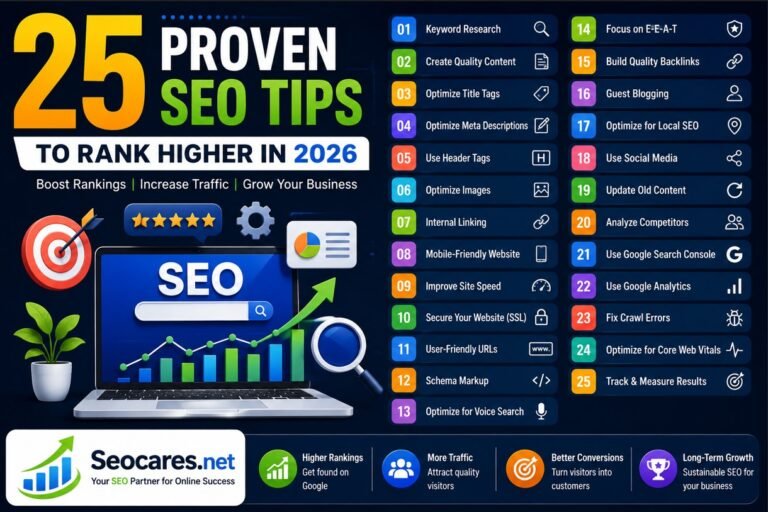
Simple SEO Tips for Beginners
If you’re just starting out, focus on these fundamentals before anything advanced.
- Write content that answers real questions people are searching for
- Use one clear, focused keyword per page
- Keep your website fast and mobile-friendly
- Earn backlinks through genuinely useful content
- Update old content regularly instead of only publishing new pages
- Make sure every page has a clear purpose and audience
Small, consistent improvements often outperform occasional big efforts.
Frequently Asked Questions
1. What is the simple meaning of SEO?
SEO means Search Engine Optimization — the process of improving a website so it ranks higher in search engine results.
2. Is SEO free?
SEO itself doesn’t cost money to search engines, but it requires time, effort, or paid tools and services to do well.
3. What are the main types of SEO?
The three main types are on-page SEO, off-page SEO, and technical SEO.
4. How is SEO different from SEM?
SEO focuses on organic (unpaid) rankings, while SEM (Search Engine Marketing) includes both SEO and paid advertising.
5. Can I do SEO myself?
Yes. Many beginners learn basic SEO through free resources and apply it themselves before hiring professionals.
6. Why is my website not ranking on Google?
Common reasons include weak content, technical issues, lack of backlinks, or a newly launched website that needs more time.
7. Does SEO still work in 2026?
Yes. SEO remains one of the most effective long-term strategies for online visibility, even as algorithms evolve.
8. What is the most important SEO factor?
High-quality, helpful content that genuinely answers user intent remains the foundation of effective SEO.
9. How often should I update my SEO strategy?
Review your SEO strategy every few months, since search engine algorithms and user behavior change over time.
10. Do backlinks still matter for SEO?
Yes. Backlinks from trustworthy websites remain one of the strongest ranking signals used by search engines.
Final Thoughts
The SEO meaning comes down to one simple idea: helping search engines understand your website so they can connect it with the right people.
SEO isn’t about tricking algorithms. It’s about creating genuine value — through helpful content, a well-built website, and trust earned over time.
Whether you’re a business owner, blogger, or student learning digital marketing, understanding SEO gives you a real advantage in today’s search-driven world. Start with the basics, stay consistent, and the results will follow.